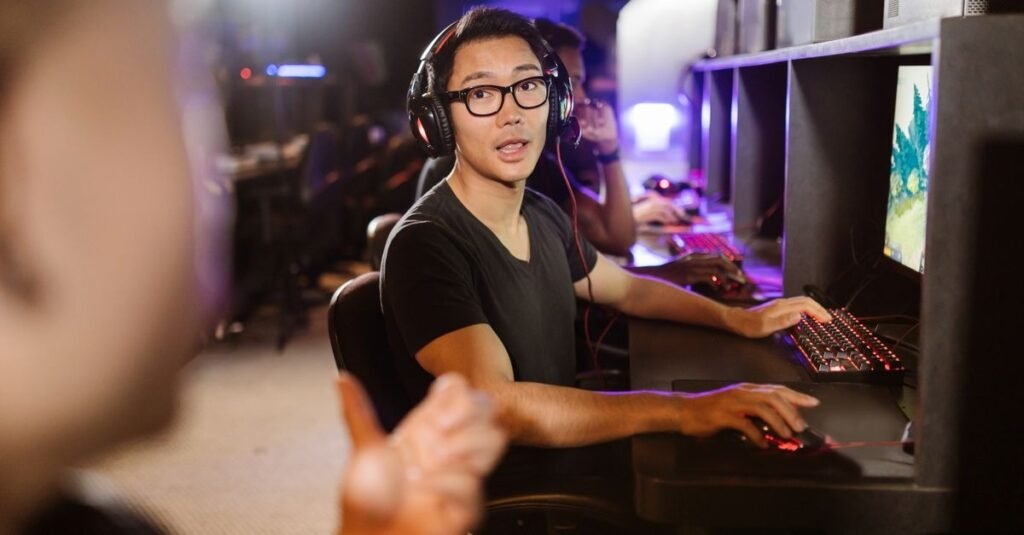
Have you ever logged into a game and realized you were stepping into a social space as much as a place to play?
Online gaming started as a technical novelty, but it has grown into something much bigger. People now use games to hang out, compete, learn group habits, and take part in shared jokes, styles, and rituals that carry real cultural weight.
That shift matters because culture is not built only in schools, media, or public spaces. It also forms anywhere people gather regularly, create common language, and give meaning to what they do together. Online games have become one of those places.
How Games Became Social Spaces
It helps to start with the simple fact that games stopped being isolated activities.
Early online play connected people through scoreboards and direct matches, but modern multiplayer spaces added voice chat, text chat, shared goals, and persistent identities. That changed the role of the player. You were no longer just reacting to a screen. You were joining a group with its own expectations, humor, and rhythm.
Once people returned day after day, small habits started to stick. Friends met at the same time each evening. Teams developed inside jokes. Players made rules about fairness, cooperation, and what counted as skill. Culture often grows from repetition, and online games provide that repetition in a very concentrated form.
Even parts of gaming that seem niche can reflect how language spreads through communities. A phrase like slot gacor can move through chats and forums not just as slang, but as a marker that someone belongs to a certain conversation and understands its context.
Why Shared Language Matters
One of the clearest signs of culture is the way people talk to each other.
Inside Jokes And Group Identity
Every active gaming community builds its own vocabulary. Some terms describe strategy, some refer to common mistakes, and some come from funny moments that get repeated until everyone knows them. These phrases help people identify who is new, who is experienced, and who shares the same references.
That kind of language does more than save time. It creates belonging. When players understand a joke without needing it explained, they feel connected to the group. The joke becomes part of a shared memory, and shared memory is one of the building blocks of culture.
Communication Shapes Behavior
Language also influences conduct. The words a community uses for teamwork, sportsmanship, or bad manners affect how players see acceptable behavior. If a group praises patience and coordination, newcomers often adapt. If it rewards showmanship, that style spreads too.
Because these communities are active every day, their language keeps evolving. New terms appear, old ones fade, and some move beyond games into wider internet speech. That flow shows how online gaming can shape culture outside the match itself.
How Players Build Traditions
Games become cultural spaces when people start repeating meaningful actions together.
Rituals, Events, And Routine
Many players have habits that feel small but carry social meaning. A group may meet every Friday night, celebrate a hard win with the same phrase, or mark the start of a session with a familiar routine. These repeated actions turn play into something more organized and personal.
Seasonal events, community tournaments, and fan-made challenges add another layer. They create moments people remember together, then talk about for months afterward. In that sense, online gaming works a lot like older cultural spaces where festivals, contests, and traditions gave communities a shared calendar.
Style And Self-Expression
Players also express identity through avatars, playstyles, and the way they interact. Some become known for leadership, some for humor, and some for unusual tactics. These patterns give people a social role inside the group, which is another reason games feel like living communities rather than simple entertainment.
How Gaming Connects Different Backgrounds
One reason gaming matters culturally is that it brings many kinds of people into the same conversation.
Online matches and shared spaces regularly connect players across age groups, regions, and social backgrounds. In many cases, people who might never meet offline end up cooperating toward the same goal. That creates contact, and contact often changes how people understand each other.
Shared play can lower social barriers because the activity gives everyone a common task. A person is not first defined by where they live or what they do offline, but by how they communicate, contribute, and participate. That does not erase difference, but it often makes difference easier to work with.
You can see this in the way local phrases and habits travel through gaming spaces. Terms such as slot deposit 5000 may appear in conversation as part of regional internet culture, then become familiar to people far outside the original context through repeated social contact.
Why Online Gaming Now Influences Wider Culture
The impact of gaming does not stop when players log off.
From Play To Everyday Life
Expressions born in gaming often show up in memes, casual conversation, and online humor across many platforms. People carry lessons about teamwork, conflict, leadership, and digital etiquette from games into school, work, and friendships. In that sense, gaming does not sit apart from culture. It feeds into it.
Games also teach people how to participate in large digital communities. They learn how to join a group, read social cues, cooperate with strangers, and manage conflict in real time. Those are cultural skills, not just gaming skills.
Culture Is Made By Participation
The biggest reason online gaming became a place where people play their way into culture is simple. Culture grows where people gather often, create meaning together, and pass ideas along. Online games check all of those boxes.
They give people a stage for expression, a routine for connection, and a language for belonging. That is why gaming now matters far beyond the screen. It is not only a hobby for many people. It is a social practice where identity, community, and shared meaning are built in real time.