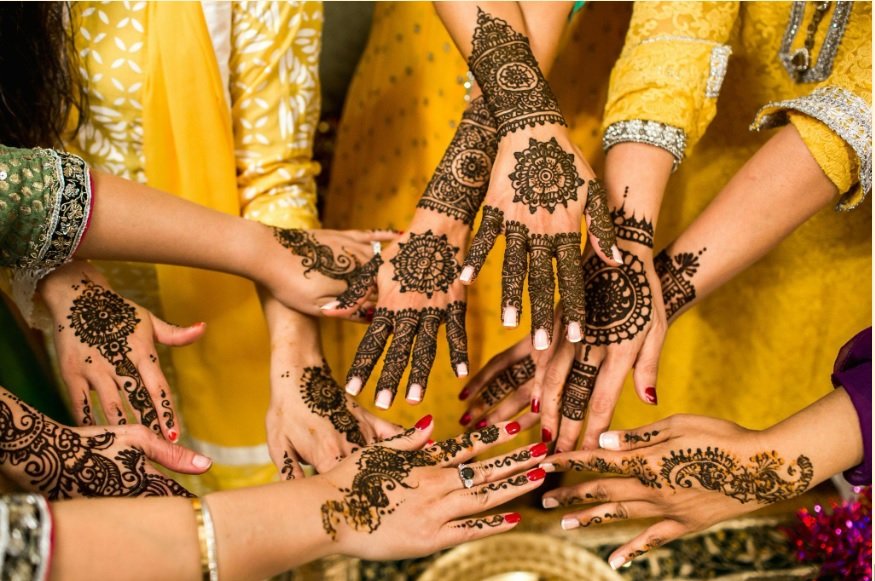
There is something deeply grounding about the scent of fresh eucalyptus and tea tree oil wafting through the air as a dark, earthy paste is carefully piped onto the skin. For centuries, henna (or Mehndi) has been more than just a temporary decoration; it is a ritual of celebration, a mark of transition, and a form of meditative art. While we often see breathtakingly intricate bridal designs that cover every inch of the skin in lace-like patterns, there is a growing movement toward the “less is more” aesthetic. Simple henna tattoos offer a modern, sophisticated take on this ancient tradition, allowing the natural beauty of the hands and feet to shine through without being overwhelmed.
Choosing a minimalist approach doesn’t mean you’re sacrificing meaning or style. In fact, simple designs often require a higher level of precision because every line and dot is visible. If you are experimenting with these designs at home, you might find yourself wanting to document your progress or create a digital lookbook of your favorite motifs. Many artists find that using a collage design is the perfect way to display various small elements, like a single lotus or a geometric finger band, side-by-side to see how they complement one another before committing to a final look on the skin.
Why Simple Henna is Trending
In our fast-paced world, many people are turning to simple henna as a form of self-care. Unlike a permanent tattoo, henna is a fleeting beauty that lasts about one to two weeks, making it perfect for those who love to change their look frequently. The shift toward simplicity is driven by a few key factors:
- Versatility: A small, delicate vine on the wrist or a tiny sun on the ankle looks professional in an office setting while still feeling bohemian and artistic on the weekend.
- Accessibility: For beginners, attempting a full-hand traditional design can be daunting and often results in a messy “blob” of paste. Starting with simple shapes builds confidence and motor skills.
- Drying Time: Let’s be honest—sitting still for four hours while a bridal design dries is a feat of endurance. A simple design can be applied in fifteen minutes and dries quickly, letting you get back to your day.
Popular Minimalist Motifs and Their Meanings
Even the simplest henna stroke often carries a deeper symbolism. When you choose a design, you aren’t just picking a pattern; you’re telling a story.
- The Dot (Bindu): Representing the beginning of all creation and the focused point of the universe, a single dot or a series of dots along the fingers can look incredibly chic and “high-fashion.”
- The Lotus: A symbol of purity and rising above adversity. A simplified, line-art version of a lotus on the palm or inner wrist is a favorite for those seeking a spiritual connection.
- Geometric Lines: Clean, straight lines and chevrons around the knuckles create a jewelry-like effect. This “hand-jewelry” style is particularly popular for festivals and summer outings.
- Vines and Leaves: Representing longevity and vitality, a simple leafy branch wrapping around a finger is perhaps the most requested design for its organic, effortless feel.
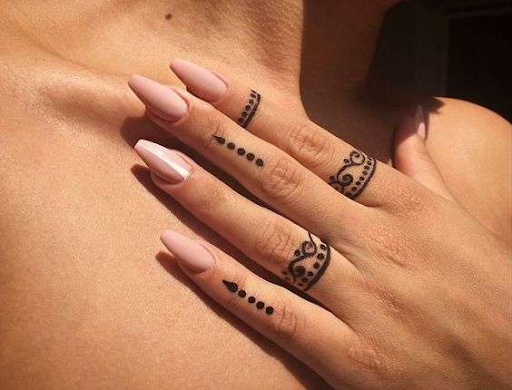
![Image 1: A close-up of a delicate, minimalist henna design featuring thin lines and dots on the fingers.]
Tips for a Flawless Application
If you’re applying henna yourself, the secret isn’t just in the hand movement—it’s in the preparation. Professional artists swear by “clean skin and warm hearts.” Here is how to ensure your simple tattoo looks crisp:
Exfoliate First: Henna stains the dead layers of your skin. If your skin is flaky, the stain will be uneven and fade faster. Give your hands a gentle scrub before you begin.
Avoid Oils: While we love moisturizing, lotions and body oils act as a barrier. If there is oil on your skin, the henna dye (lawsone) won’t be able to penetrate the skin cells. Wash your hands with plain soap and dry them thoroughly.
The “Pencil” Grip: Hold your henna cone like a pen, but use your thumb to apply consistent pressure. Practice on a piece of glass or paper first to get the “flow” of the paste right.
The Science of the Stain
One of the most common questions people ask is, “Why is my henna orange?”
Henna is a natural plant dye. When the paste is first scraped off, the stain is almost always a bright, pumpkin orange. This is the oxidation phase. Over the next 24 to 48 hours, the color will deepen into a rich, mahogany brown. To get the darkest stain possible on a simple design, try to keep the dried paste on for at least 6 to 8 hours.
A professional trick is the “Lemon-Sugar Seal.” Mix a little lemon juice with white sugar and dab it onto the dried henna with a cotton ball. This keeps the paste sticky and adhered to the skin longer, which results in a much deeper, longer-lasting color.
![Image 2: An artist applying a simple floral henna motif to a wrist using a traditional cellophane cone.]
Caring for Your Art
Once you have your beautiful, minimalist design, you’ll want it to last as long as possible. The enemies of henna are water, friction, and chemicals.
- The First 24 Hours: Avoid water entirely if you can. If you must wash, try to use a barrier like coconut oil or olive oil to protect the stain.
- The “No-Scrub” Rule: When showering, don’t scrub the area where the henna is applied. Pat it dry gently with a towel.
- Stay Hydrated: Interestingly, hydrated skin holds henna better. Drink plenty of water to keep your skin cells plump and healthy, which slows down the natural exfoliation process.
Henna as a Social Experience
While simple henna is easy to do alone, it is even better when shared. Hosting a “Mehndi Tea” afternoon is a wonderful way to connect with friends. Because simple designs are quick, you can easily do five or six people in an hour. It becomes a conversation starter—a shared moment of creativity that leaves everyone with a beautiful, temporary memento of the day.
It’s also a fantastic way to practice mindfulness. Focusing on the steady stream of paste and the rhythm of your breathing as you draw a circle or a leaf can be incredibly grounding. In a world of digital screens, the tactile nature of henna is a welcome relief.
![Image 3: Three friends showing off different simple henna designs on their hands, ranging from geometric lines to small flowers.]
Choosing the Right Henna
A word of caution for the enthusiast: always use “Natural Henna.” You may see products labeled “Black Henna” in tourist shops or online. These often contain PPD (paraphenylenediamine), a chemical used in hair dye that can cause severe allergic reactions and permanent scarring.
True, safe henna will always be a brownish-green paste, will smell like essential oils, and will never stain your skin black instantly. If the packaging says it stains in 10 minutes, stay away! Your skin is your largest organ; treat it with the respect it deserves by using only organic, plant-based ingredients.
Finding Your Signature Style
The beauty of simple henna is that it is deeply personal. You don’t have to follow a pattern book. Maybe you want three small dots on your thumb to represent your siblings, or a tiny wave on your ankle because the ocean is your happy place.
As you become more comfortable with the cone, you’ll find that your hand develops its own “handwriting.” Some people naturally gravitate toward sharp, geometric angles, while others prefer soft, flowing curves. Embrace your unique style. The imperfections are what make the art human and authentic.
Whether you are preparing for a wedding, a festival, or just want a bit of “jewelry” that you don’t have to take off at night, simple henna tattoos are a graceful way to celebrate yourself. They remind us that beauty doesn’t always have to be loud or complex to be deeply felt. Sometimes, the most powerful statement is made with just a few well-placed lines and the warmth of the earth against your skin.